
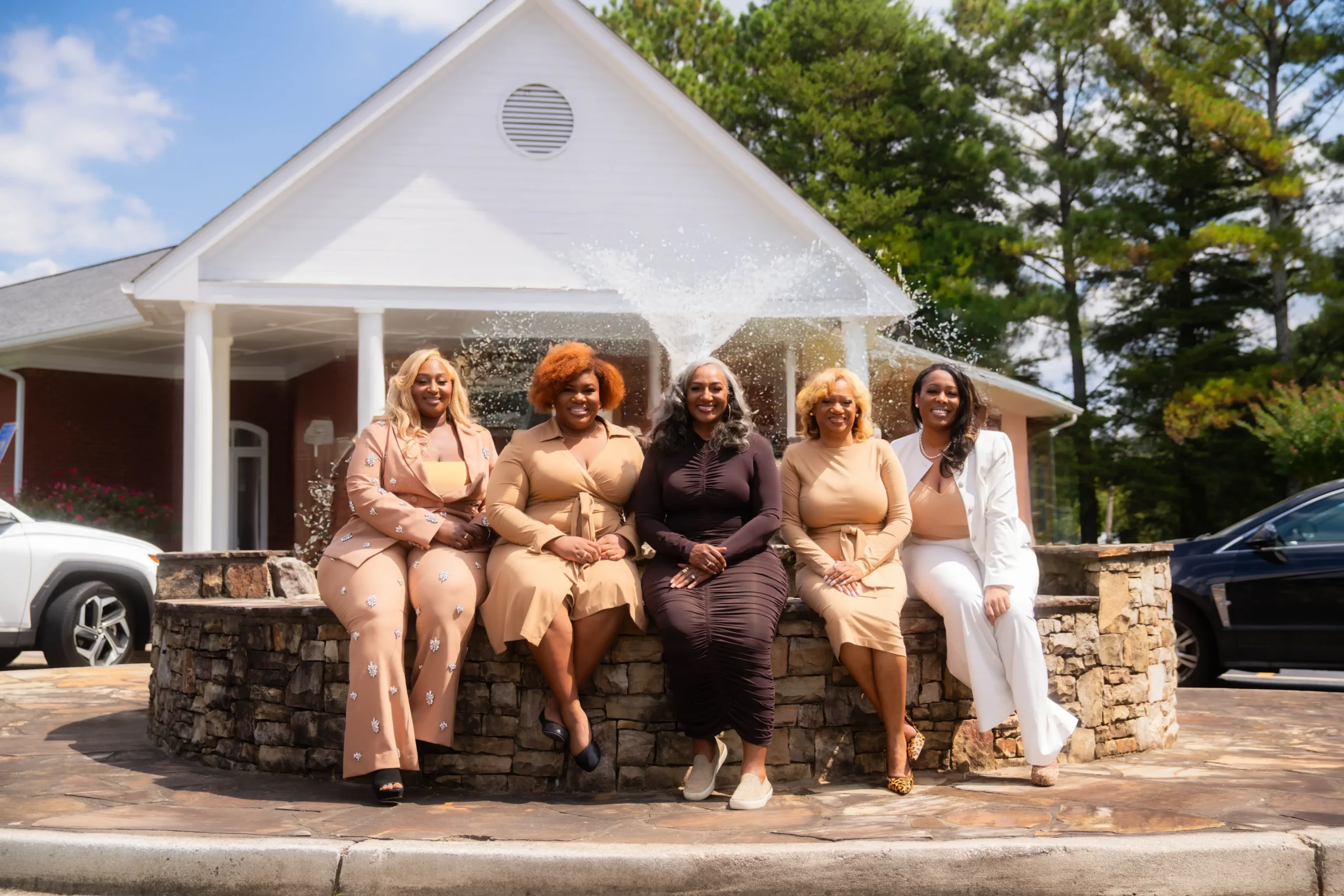
Gwinnett County Parental Rights Lawyer
A Gwinnett County parental rights lawyer for family law helps when a parent needs legal authority to stay involved in a child’s life. That may involve decision making, parenting time, custody exchanges, legitimation, child support, or a modification after a major change. In Gwinnett County, these disputes often affect parents traveling between Lawrenceville, Snellville, Dacula, Duluth, Suwanee, and Norcross for school pickups, medical visits, court dates, and shared parenting schedules.
E.N. Banks-Ware helps parents focus on the facts Georgia courts review. That can include who takes the child to school, who attends doctor visits, who communicates with teachers, who follows the current order, and whether one parent blocks contact without a valid reason. For unmarried fathers, parental rights may require legitimation before full custody or visitation rights can move forward. For divorced or separated parents, the issue may involve enforcing a parenting plan or changing an order that no longer works.
These cases need fast answers because small choices can affect custody later. A missed exchange, an angry text message, an informal schedule change, or an unsigned agreement can create problems in court. Before you respond to papers, agree to less time, or try to handle a parental rights dispute alone, call E.N. Banks-Ware at (470) 570-9546 to discuss your next step.
Why Should Parents Hire a Parental Rights Lawyer in Gwinnett
Parents hire a parental rights lawyer in Gwinnett when they need to protect their role in the child’s life, not just argue about a schedule. E.N. Banks-Ware helps parents address legal issues that may affect decision-making, parenting time, access to records, school involvement, medical care, and the child’s daily stability.
A parental rights lawyer may help parents:
- Understand what rights they currently have under an existing order
- Seek clear decision-making authority for school, health, and major life choices
- Address denied parenting time or repeated violations of an order
- Protect access to school records, medical records, and important updates
- Respond to safety concerns or claims that affect custody
- Prepare evidence showing parenting history and involvement
- Request changes when the current order no longer protects the child’s needs
- Present the case around the child’s best interests, not just parent conflict
Legal guidance matters because parental rights cases can affect long-term access, authority, and involvement in a child’s life.
Legal Help Identifies the Real Parenting Issue
Many parents know something feels wrong, but they do not always know the correct legal issue. A parent may say the other parent is keeping the child away, but the case may involve custody enforcement, contempt, legitimation, visitation, or modification. The right label matters because each issue requires a different court strategy.
For example, a father in Duluth with no legitimation order may need a different approach than a mother in Lawrenceville whose co-parent violates an existing parenting plan. E.N. Banks-Ware can review the order, parenting history, and current problem to determine what action fits the facts.
Custody Disputes Need Organized Proof
Custody disputes need more than frustration. A parent may feel shut out because the other parent ignores messages, refuses extra time, or makes decisions alone. Still, the court needs proof that shows what happened and how it affects the child.
A Gwinnett County parental rights lawyer can help organize a timeline that includes missed exchanges, denied calls, school decisions, medical appointments, unpaid support, or blocked records. This structure helps the court see patterns instead of isolated complaints.
Parenting Time Records Can Show Patterns
Parenting time records can show whether one parent respects the schedule. One missed pickup may look like confusion. Repeated missed pickups may show interference or instability.
Parents should track dates, times, exchange locations, messages, and what happened afterward. If exchanges happen near Sugarloaf Parkway, Pleasant Hill Road, I-85, or a Gwinnett County school, those location details can make the record clearer.
Court Orders Need Careful Review
A custody order may seem clear until conflict starts. Some orders explain holidays, transportation, school breaks, decision-making authority, and communication. Other orders leave gaps that create repeated arguments.
E.N. Banks-Ware can review whether the order gives one parent final authority or requires joint decisions. That difference matters when parents disagree about school enrollment, counseling, medical care, or activities.
Vague Terms Can Cause Repeat Conflict
Vague parenting terms often create avoidable disputes. An order that says “reasonable visitation” may not explain weekends, pickup times, transportation, or holiday schedules. A parent may then use unclear language to control access.
A Gwinnett County parental rights lawyer can help determine whether enforcement or modification may fix the problem. Clearer court terms can reduce arguments and make violations easier to prove.
Legitimation Changes Fathers’ Rights in Georgia
Unmarried fathers in Georgia often face a legal issue that many families misunderstand. A father may appear on the birth certificate, pay support, attend school events, and spend regular time with the child. Still, he may need legitimation before he can fully pursue custody or visitation.
This becomes urgent when the mother blocks contact, moves the child, refuses a schedule, or says the father has no rights. A parental rights attorney in Gwinnett County can explain how legitimation connects to parenting time and decision-making.
Birth Certificates Do Not Resolve Custody
A birth certificate can identify a father, but it does not automatically give every parental right an unmarried father may need. Many fathers learn this only after a dispute begins. They may assume years of involvement already protect them.
Legitimation gives the court authority to address custody, visitation, and parental decision-making. Without it, a father may face delays when he needs legal access to the child.
Daily Care Can Support a Father’s Case
Daily care can help show a father’s role. Useful proof may include school pickup records, daycare payments, doctor visits, messages about routines, and receipts for child-related expenses. These details show more than financial support.
A father should save proof before access stops. Once conflict grows, the other parent may dispute facts that once seemed obvious. Organized records help E.N. Banks-Ware present the father’s involvement clearly.
Support Does Not Guarantee Parenting Time
Child support and parenting time serve different legal purposes. A father may pay support and still lack a clear visitation schedule. A mother may receive support and still face disputes over exchanges, school access, or decision-making.
A Gwinnett County parental rights lawyer can separate financial responsibility from parental access. That separation helps parents understand what the current order does and what still needs court attention.
Informal Access Can End Suddenly
Informal access can disappear after one argument. A father may have regular weekends for years, then lose contact because no enforceable order exists. This creates stress for the parent and instability for the child.
Court-recognized rights create structure. A parenting order can define weekends, holidays, school breaks, phone contact, transportation, and decision-making authority.
Legal Guidance Protects School and Medical Access
Parental rights often involve daily decisions, not just overnight schedules. A parent may need school portal access, teacher updates, report cards, medical records, therapy information, or notice of appointments. When one parent controls that information, the other parent may struggle to stay involved.
E.N. Banks-Ware helps parents identify whether the dispute involves legal custody, physical custody, visitation, or enforcement. That distinction matters because each problem needs a different solution.
School Records Can Show Active Parenting
School records can show who attends conferences, communicates with teachers, monitors attendance, and handles academic concerns. These details may matter when decision-making authority becomes disputed. Courts often care about the parent who stays involved in the child’s real routine.
For example, a parent in Suwanee may be blocked from the school portal and miss notices about attendance or discipline. That problem can affect both the child's and the parent’s ability to participate.
Teacher Messages Can Support Involvement
Teacher messages can show that a parent stays engaged. Emails about homework, grades, behavior, or meetings may show active parenting. They can also show when one parent hides information.
Parents should save school messages with dates and sender information. Screenshots should show enough context to prove what was requested and how the other parent responded.
Medical Access Can Affect Decision Making
Medical access can become a serious issue when one parent hides appointments, medications, injuries, diagnoses, or therapy updates. A parent cannot make informed decisions without accurate health information. Courts may review whether each parent shares important updates.
A Gwinnett County parental rights lawyer can help determine whether the issue requires enforcement, clarification, or modification. Clear order language can reduce future disputes over medical care.
Appointment Records Can Prove Caregiving
Appointment records can show who schedules visits, attends appointments, fills prescriptions, and follows provider instructions. These facts may matter when parents dispute decision-making authority. They also show who handles the child’s ongoing needs.
Parents should keep records from pediatricians, dentists, therapists, and other providers when relevant. The goal is to show involvement tied to the child’s care, not to collect random documents.
What Can Limit Parental Rights in Gwinnett County
Parental rights in Gwinnett County may be limited when a parent’s conduct, legal status, or court order affects the child’s safety, stability, or best interests. E.N. Banks-Ware helps parents understand whether the limit comes from the other parent’s actions, an existing order, a legitimation issue, or a judge’s decision.
A parent may face limits when there are concerns about unsafe housing, substance abuse, domestic violence, missed exchanges, lack of involvement, poor communication, ignored court orders, or decisions made without the other parent. Rights may also be limited when a father has not completed legitimation or when a custody order gives one parent more decision-making authority.
The next step depends on what caused the limit. Some problems may require enforcement. Others may require legitimation, modification, or a court hearing to protect parenting time and decision-making rights.
Missed Parenting Time Can Affect Custody Rights
Missed parenting time can become more than a scheduling issue when it repeats. A parent who often cancels visits, arrives late, or fails to communicate may give the other parent evidence that the current schedule does not work. Courts may review whether each parent follows the order and supports the child’s routine.
One missed exchange does not usually define a case. Parents deal with traffic on I-85, work conflicts near Sugarloaf Parkway, illness, school events, and child care emergencies. Problems grow when missed time becomes a pattern without documentation or makeup time.
Repeated Cancellations Can Raise Stability Concerns
Repeated cancellations may suggest that a parent cannot maintain a reliable schedule. If one parent cancels every other weekend, misses weekday dinners, or fails to appear for school break exchanges, the other parent may argue for a different plan. The court may examine notice, reasons, and whether makeup time occurred.
A Gwinnett County parental rights lawyer can help explain the difference between unavoidable problems and harmful patterns. A parent who missed one exchange for a medical emergency has a different case than a parent who repeatedly cancels for personal convenience.
Makeup Time Should Be Confirmed Clearly
Makeup time should not depend on casual promises. A parent should confirm the date, time, location, and whether the regular schedule resumes afterward. Clearly written terms can prevent later disputes.
A short message can protect the record. It may confirm why time was missed, request makeup time, and show the parent still intends to follow the order.
Exchange Problems Can Create Evidence
Parenting exchanges often show how serious the conflict has become. Late arrivals, arguments, refusal to release the child, last-minute location changes, and hostile messages can all become evidence. Judges may care about exchange conduct because children often witness the stress.
Parents should treat each exchange as part of the case record. Arrive on time, stay calm, keep messages short, and document what happened. This can protect credibility if the dispute reaches court.
Public Exchange Locations May Reduce Conflict
Public exchange locations may help when conflict keeps rising. A neutral location near a school, library, or busy area can reduce arguments. It can also create a clearer record when one parent fails to appear.
A court may consider more structured exchange terms if the current plan causes repeated disputes. Clear pickup times and locations can reduce confusion and protect parenting time.
Safety Allegations Can Restrict Parenting Rights
Safety allegations can limit parental rights quickly when the court believes a child may face harm. Claims may involve substance abuse, family violence, unsafe driving, neglect, mental health concerns, or exposure to unsafe people. Courts may change parenting time while reviewing the facts.
Parents should take these claims seriously. A false accusation still needs a careful response. A real safety issue needs proof. E.N. Banks-Ware helps parents focus on records that address the allegation without escalating the conflict.
Substance Abuse Claims Need Concrete Evidence
Substance abuse allegations can affect custody when they connect to child safety. The court may review police reports, treatment records, drug testing, witness statements, missed exchanges, or behavior around the child. A general accusation usually carries less weight than a detailed record.
A parent accused of substance abuse should avoid emotional public responses. Records, testing history, treatment proof, work stability, and consistent parenting may matter more than denial alone.
Testing Records Can Clarify the Dispute
Testing records may support or challenge a safety claim. A clean test can address a false accusation. Treatment records can show that a parent took a past issue seriously.
Still, one document rarely resolves every concern. The court may also review parenting history, communication, exchanges, and whether the child remains safe during visits.
Family Violence Concerns Can Change Parenting Time
Family violence concerns can affect custody, exchanges, communication rules, and decision-making authority. Courts may review whether violence occurred, whether the child witnessed it, and whether protective terms are needed. These cases can move quickly because safety may require immediate action.
A parent should not ignore protective order issues or violence-related allegations. Police reports, medical records, witnesses, photos, and messages may matter. A family lawyer in Gwinnett County can help a parent understand how safety concerns may affect the case.
Safe Exchange Terms May Become Necessary
Safe exchange terms may include neutral locations, third-party exchanges, or limits on direct contact. These terms can reduce conflict and protect the child from stressful encounters. They also create clearer expectations for both parents. Once ordered, parents should follow the safety terms exactly. Violating those terms can damage credibility and affect future parenting time.
Order Violations Can Damage Parental Rights
Court orders matter in parental rights cases. When a parent ignores a custody order, refuses visitation, withholds records, or changes the schedule without approval, the court may question that parent’s judgment. A parent who wants more authority should show respect for existing orders.
This rule applies to both parents. A parent seeking enforcement should also follow the order carefully. If both parents violate terms, the court may have a harder time identifying who caused the problem.
Denying Visitation Can Backfire in Court
Denying visitation without a valid legal reason can hurt a parent’s position. A parent may believe they are protecting the child, but the court may view the decision as interference. If safety concerns exist, the parent should use the proper legal process instead of making unilateral changes.
A Gwinnett County parental rights lawyer can help determine whether the facts support enforcement, modification, or urgent court action. This protects the child while reducing the risk that the parent appears unreasonable.
Self Help Can Weaken Credibility
Self-help means taking action without court approval. This may include refusing exchanges, blocking calls, changing the schedule, or withholding the child. Even when the parent feels justified, the court may view the conduct negatively. A better approach starts with documentation and legal guidance. That record keeps the focus on the child instead of retaliation between parents.
Withholding Information Can Harm Custody Claims
A parent who refuses to share school, medical, or activity information may weaken their own case. Courts may consider whether each parent supports the child’s relationship with the other parent. Blocking information can suggest poor co-parenting.
The affected parent should document every request. This may include requests for report cards, doctor updates, practice schedules, teacher names, medication details, or counseling information.
Hidden Records Can Support Court Action
Hidden records can show that one parent limits the other parent’s role. Missing report cards, blocked school portal access, unshared medical updates, and ignored appointment notices may all matter. These facts can support enforcement or modification.
E.N. Banks-Ware can help parents decide whether the issue needs clearer order language or stronger court action. If the other parent is limiting contact, blocking decisions, or ignoring a custody order, call E.N. Banks-Ware at (470) 570-9546 or contact us to discuss your parental rights case.
What a Gwinnett County Parental Rights Lawyer Must File to Establish Your Rights
Parental rights actions in Gwinnett County are filed with the Gwinnett County Superior Court in Lawrenceville. In Georgia an unmarried father holds no legal custody or visitation rights until he legitimates the child, even when he is named on the birth certificate and already paying support.
O.C.G.A. § 19-7-22 governs the legitimation petition and requires the mother to be named as a party. The order it produces is what converts a biological relationship into rights a court will enforce, which is why the sequence of filings matters so much in these cases.
Contact A Gwinnett County Parental Rights Lawyer At E.N. Banks-Ware - Call Today
Your parental rights case needs more than a quick answer. It needs a plan that fits Georgia law, your court order, your child’s schedule, and the facts the court will actually review. E.N. Banks-Ware can help you sort through custody terms, parenting time problems, legitimation concerns, blocked visitation, and modification issues before one bad decision affects your position.
If the other parent is limiting contact, ignoring the parenting plan, refusing exchanges, or questioning your right to make decisions, do not wait for the problem to grow. A Gwinnett County parental rights lawyer can help you understand what steps may protect your role and what evidence may matter in court.
Call E.N. Banks-Ware at (470) 570-9546 or contact us to discuss your parental rights matter today. The firm is available 24/7 and represents parents across Gwinnett County, including Lawrenceville, Snellville, Dacula, Duluth, Suwanee, and nearby Metro Atlanta communities.
